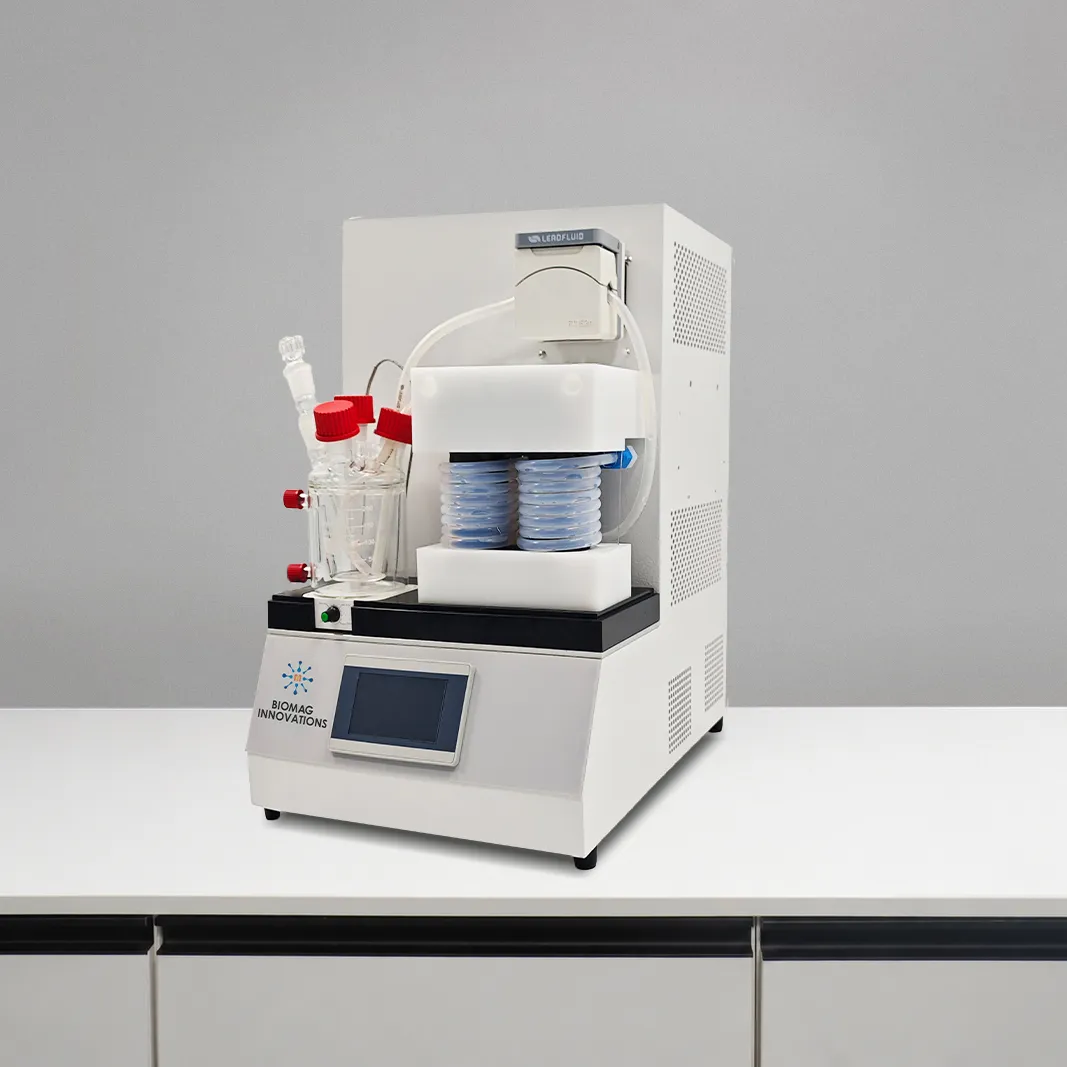
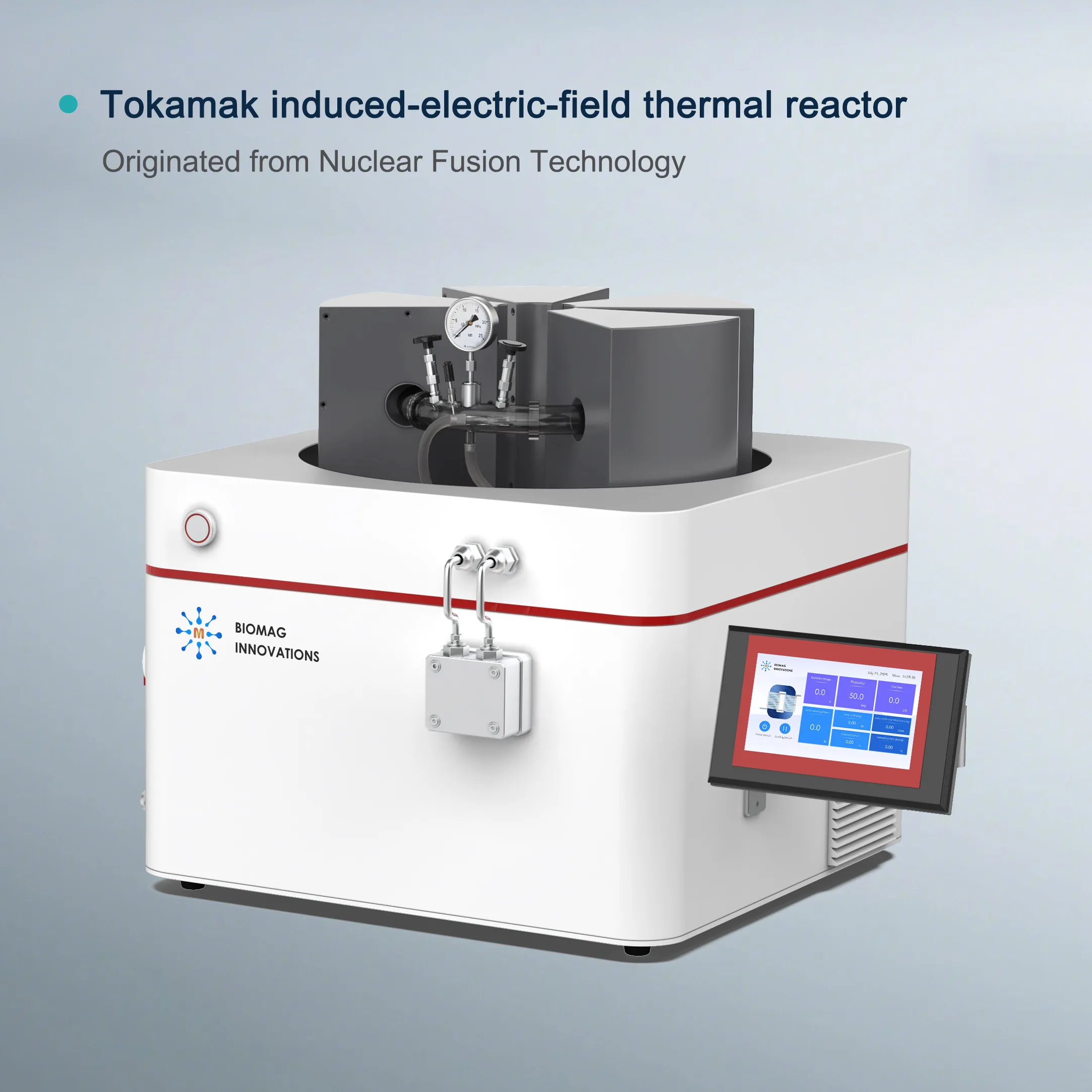
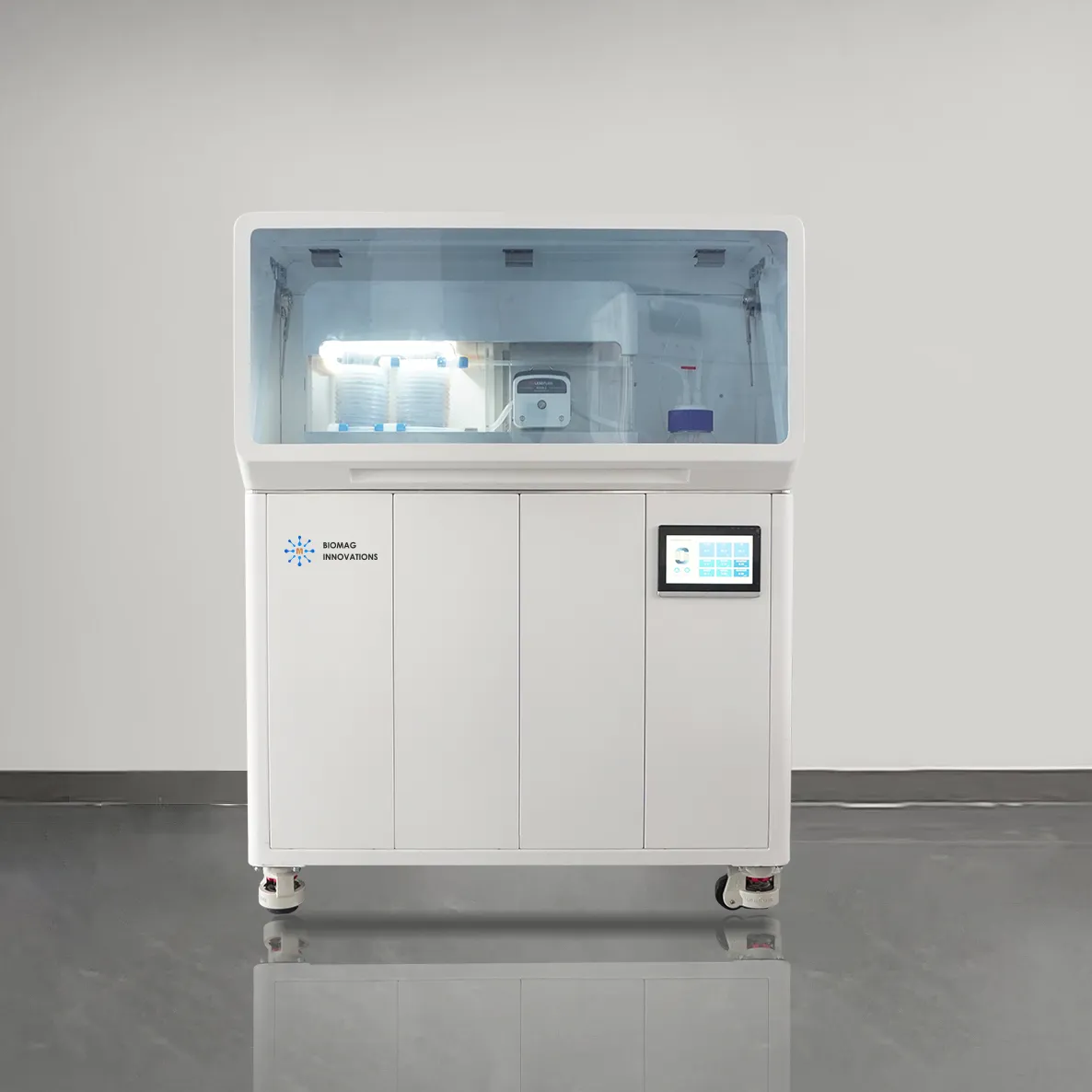
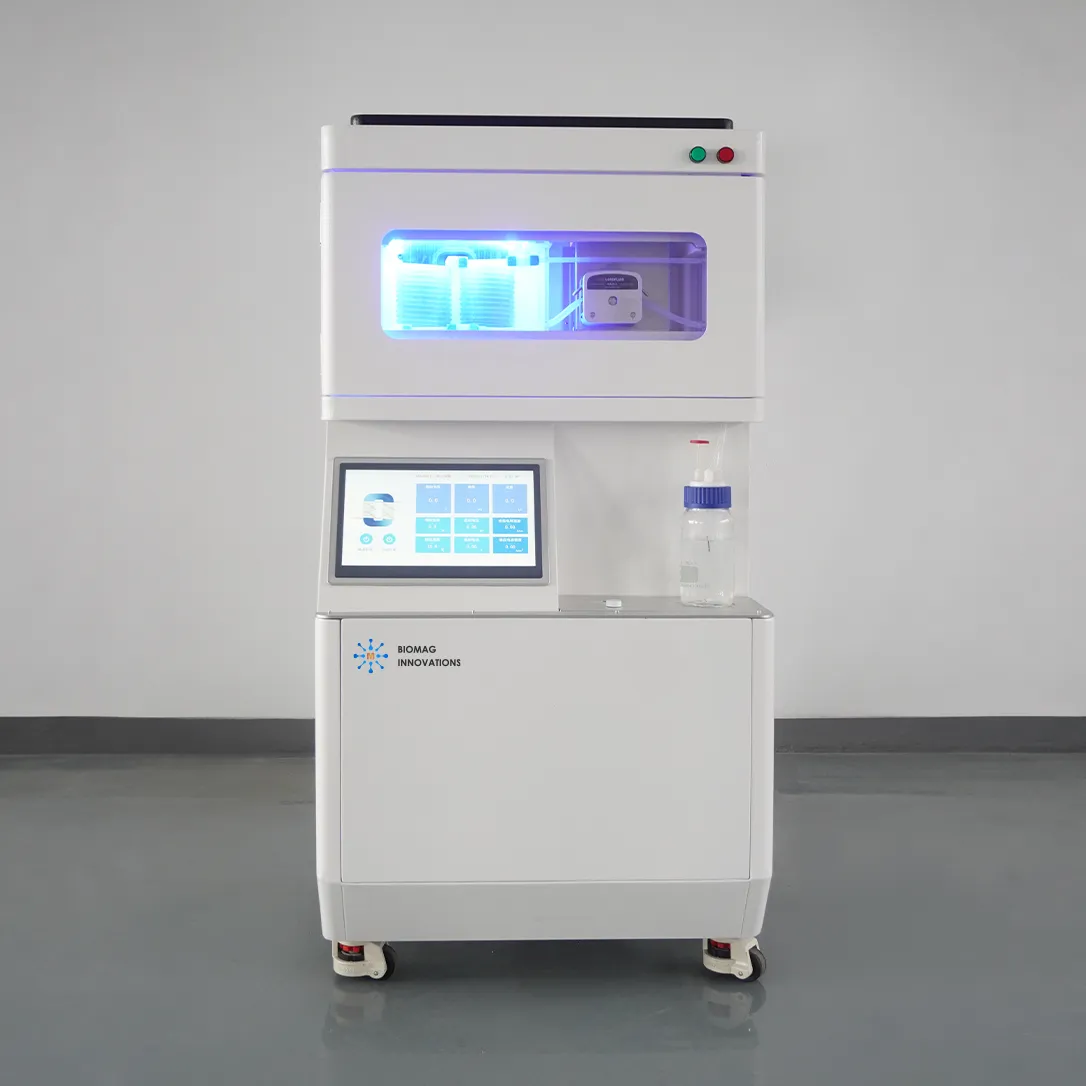
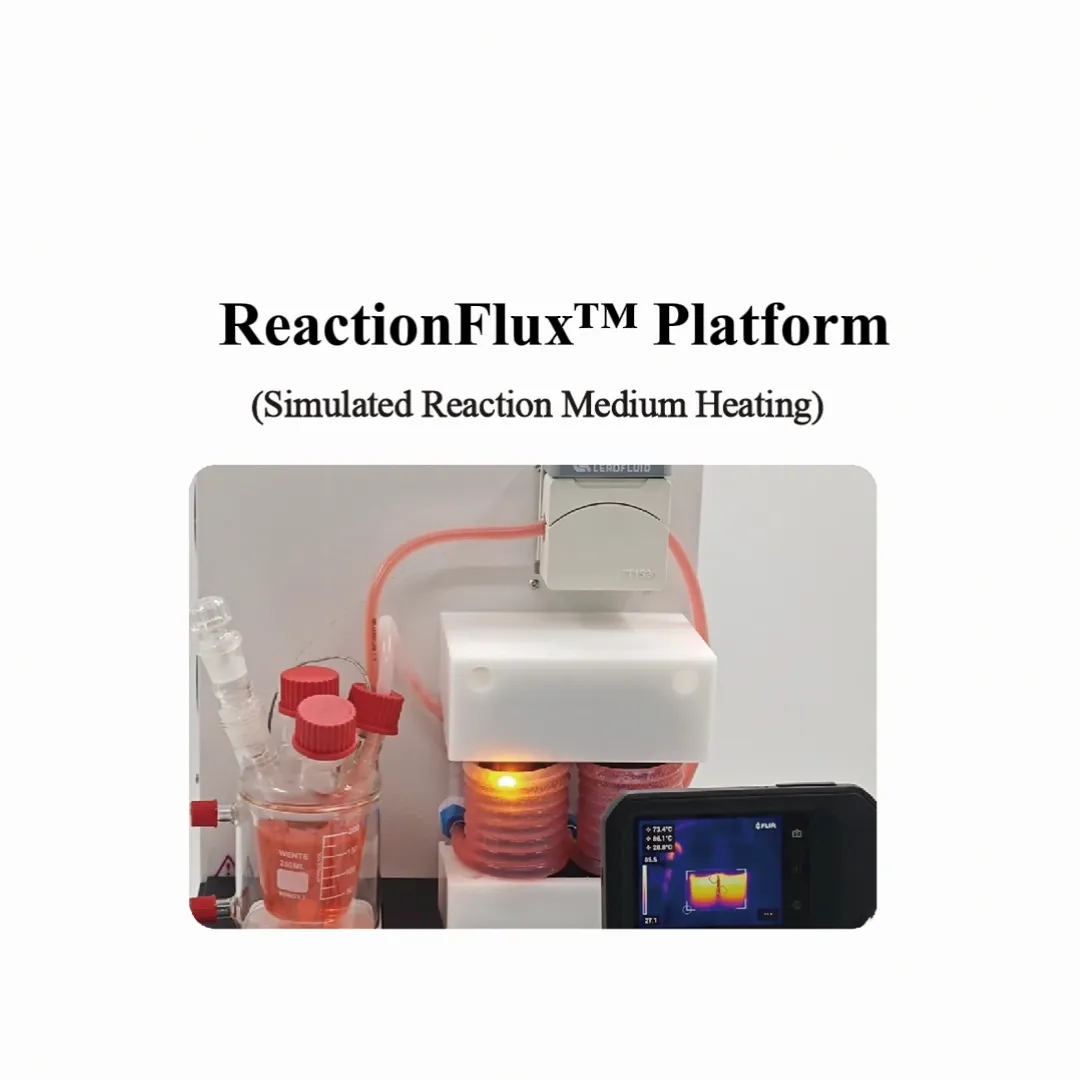
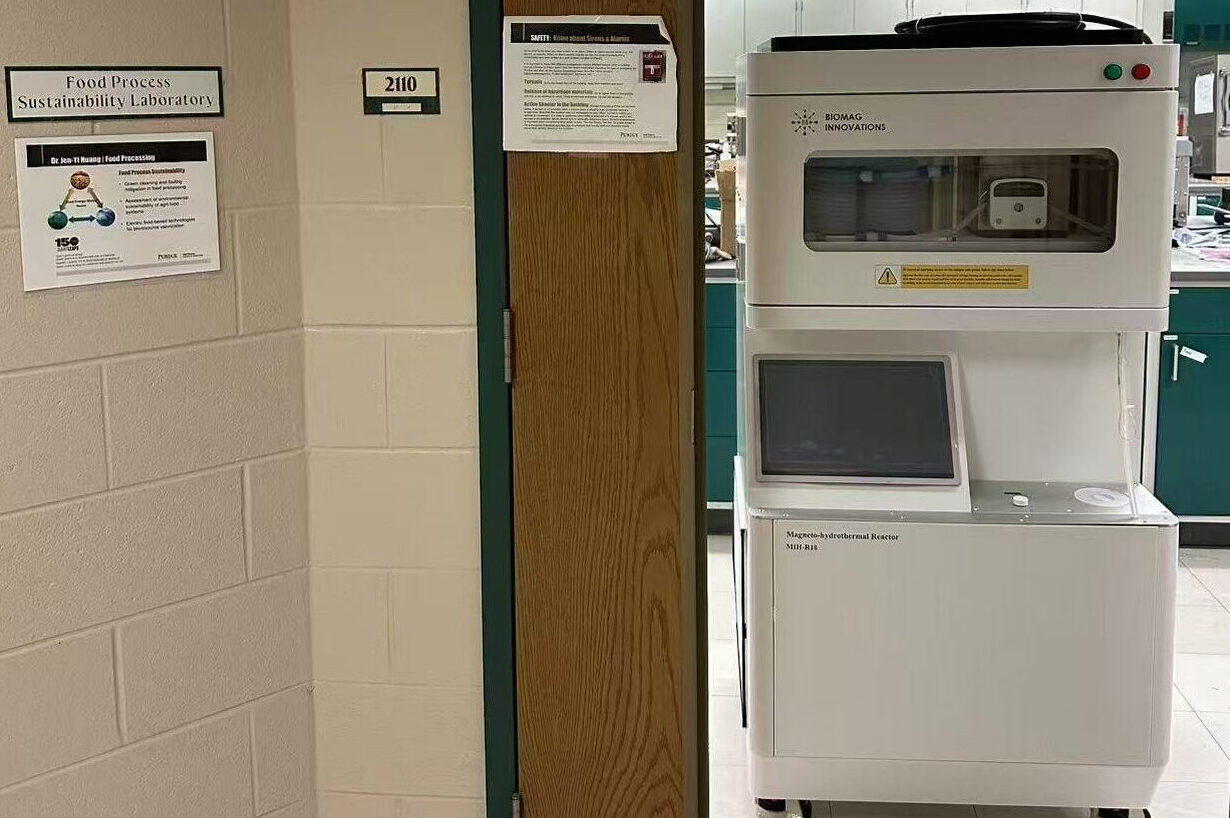
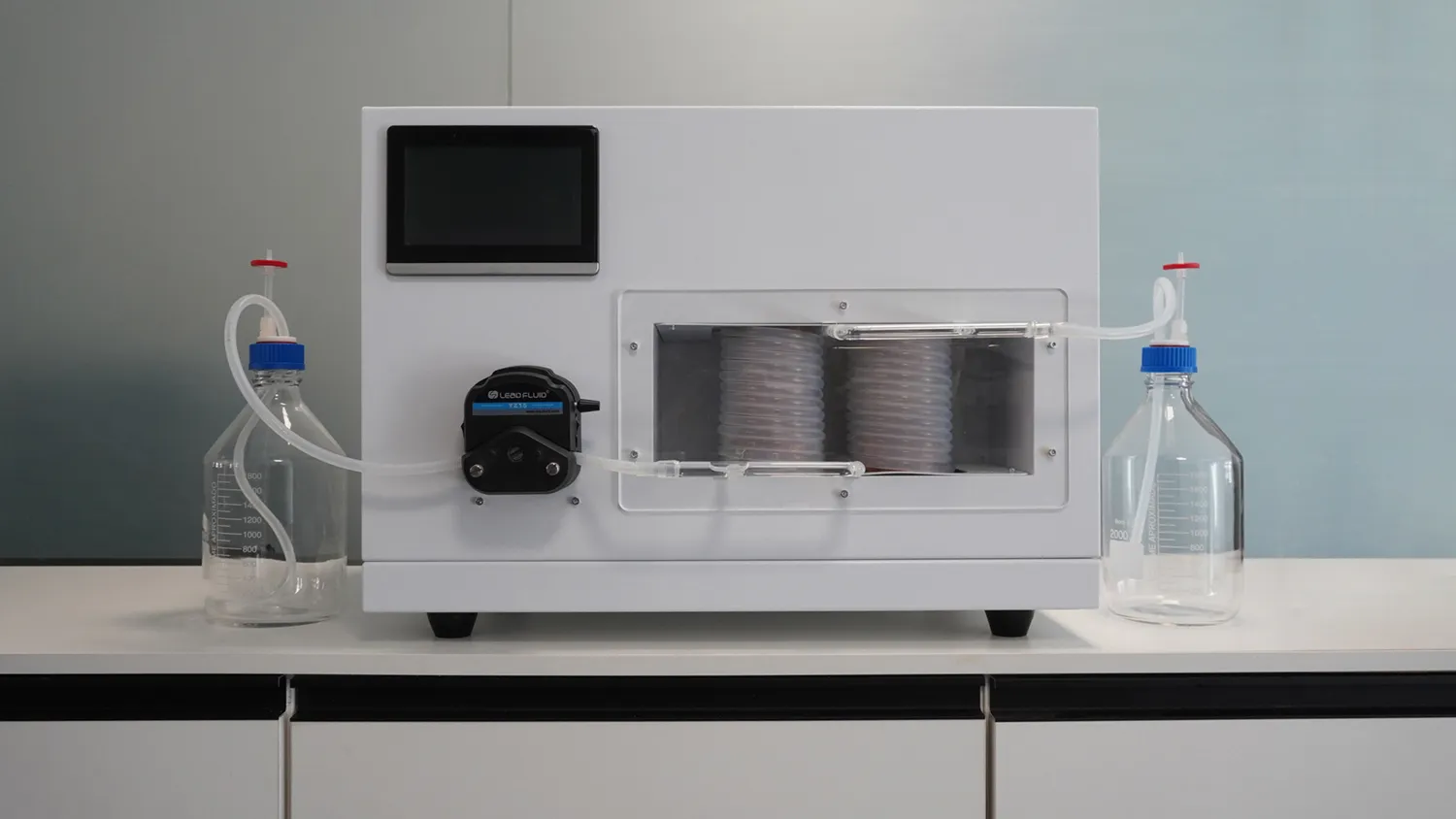
The IEF Heating Reactor is an induced electric field (IEF) platform for developing chemical processes in liquid media. It can operate at atmospheric pressure or under high pressure. The system can automatically heat the reaction medium to a preset temperature or adjust the magnetic field strength or induced electric field strength, along with the operating frequency, to maintain the desired reaction conditions. It is a non-contact heating process, and the non-thermal effect is more significant in the low-frequency region of 30-80kHz, when compared to microwave heating. Applications include polymerization, hydrolysis, pyrolysis, chemical synthesis, hydrothermal reactions, degradation, extraction, functional modification, and crystallization.
Key Features
✓
Joule heating within the reaction medium for studies of thermal and nonthermal effects
✓
Batch and continuous-flow operation, with atmospheric-pressure and high-pressure options
✓
Monitoring of induced electric field strength and induced current density
✓
Adjustable magnetic field strength, operating frequency, temperature and residence time.
Calculated-value based on applied magnetic field and pipeline
Induced current density
Calculated-value based on applied magnetic field and load power
Reactor Volume
50 mL / 300 mL / 600 mL
Recirculation Flow Rate
0–10 L/h (For rapid sample mixing)
Temperature Control
Automatic closed-loop control with setpoint stabilization
Control Interface
Touchscreen / PC
Data Logging
Available; confirm configuration
Product 02
Technical Specifications
Parameter
Specification
Heating Technology
IEF Heating (Tokamak magnetic circuits)
Operating Modes
Atmospheric pressure or high pressure
Magnetic Field Strength
0–1.0 T
Frequency
30–80 kHz
Temperature
Ambient to 99 °C (or 220 °C at 25 bar)
Induced electric field
Calculated-value based on applied magnetic field and pipeline
Induced current density
Calculated-value based on applied magnetic field and load power
Reactor Volume
300 mL / 600 mL
Recirculation Flow Rate
0–10 L/h (For rapid sample mixing)
Temperature Control
Automatic closed-loop control with setpoint stabilization
Control Interface
Touchscreen / PC
Data Logging
Available; confirm configuration
Chemical Reaction Applications
Explore Applications
Academic Partners
University of Connecticut
Academic Partners
The Ohio State University
01
Chemical Synthesis & Hydrothermal Reactions
02
Polymerization & Modification
03
Extraction & Crystallization
04
Hydrolysis, Pyrolysis & Degradation
2024–2026
Selected Publications by Our Users
Year
Article Title
Journal
Vol. / Issue
Pages / Article No.
2026
Induced electric field-assisted alkaline extraction of Agaricus bisporus proteins:
Thermal and non-thermal effects on yield, structural and interfacial properties
Food Hydrocolloids
-
Article 113597
2026
Efficient Extraction of Tea Polyphenols and Their Bioactive
Preservation Using Magnetic-Induced Electric Field
ACS Sustainable Chemistry & Engineering
14 (42)
19243–19260
2026
Induced electric field glycation: A novel strategy for enhancing soy protein functionality and reducing Maillard byproducts compared to thermal treatment
Innovative Food Science & Emerging Technologies
111
Article 104590
2026
Induced Electric Field Acceleration of Whey Protein-oligosaccharide Maillard Reaction: Structural and Functional Characteristics
Food Biophysics
21 (2)
Article 69
2026
Effects of magnetic induced electric field-assisted extraction at different excitation voltages on physicochemical, functional and prebiotic properties of pectin from sweet potato residues
Innovative Food Science & Emerging Technologies
112
Article 104667
2025
A new technique for glycosylation modification of soy protein isolates using magnetically induced electric field: focus on structure and gel properties
Journal of Food Engineering
400
Article 112638
2025
Physicochemical and functional properties of polysaccharides from fresh litchi fruit pulp by magnetically induced electric field
International Journal of Biological Macromolecules
International Journal of Biological Macromolecules
311
Article 143753
2025
Effect of induced electric field on the structural and functional properties of whey protein isolates
Journal of Food Measurement and Characterization
19 (8)
1–11
2025
Magnetic induction electric field: A novel physical approach to modulate egg white protein structure and interfacial properties
Food Hydrocolloids
170
Article 111736
2025
Magnetic induction electric field: A novel physical approach to modulate the structure, aggregation, and functional property of grape seed protein: An integrated experimental and molecular dynamics simulation study
Food Hydrocolloids
173
Article 112290
2024
Effect of magnetic induction electric field treatment of soybean protein isolate on their structural and interfacial properties
International Journal of Biological Macromolecules
290
Article 139006
2024
Effect of excitation voltage in a magnetically induced electric field on the physicochemical, structural and functional properties of citrus pectin
Food Chemistry
463
Article 141152
2024
Preparation, physicochemical and functional characterization of pectic polysaccharides from fresh passion fruit peel by magnetic-induced electric field-assisted three-phase partitioning
Food Hydrocolloids
156
Article 110292
2024
Effect of magneto-induced electric field on the physicochemical, structural, and rheological properties of citrus pectin at different pH values
Food Physics
1
Article 100021
2024
Novel Electromagnetic Heat Hydrodistillation for Extraction of Essential Oil from Tangerine Peel
Foods
13 (5)
Article 677
2024
Efficient delignification of wheat straw by induced electric field-assisted alkali pretreatment
Industrial Crops and Products
214
Article 118564
2024
Physicochemical characterization of pectin extracted from mandarin peels using novel electromagnetic heat
International Journal of Biological Macromolecules
262
Article 130212
2024
Effect of induced electric field treatment on structural and physicochemical properties of wheat bran to enhance soluble dietary fiber content