
Building the Next Generation of Sustainable Food Products
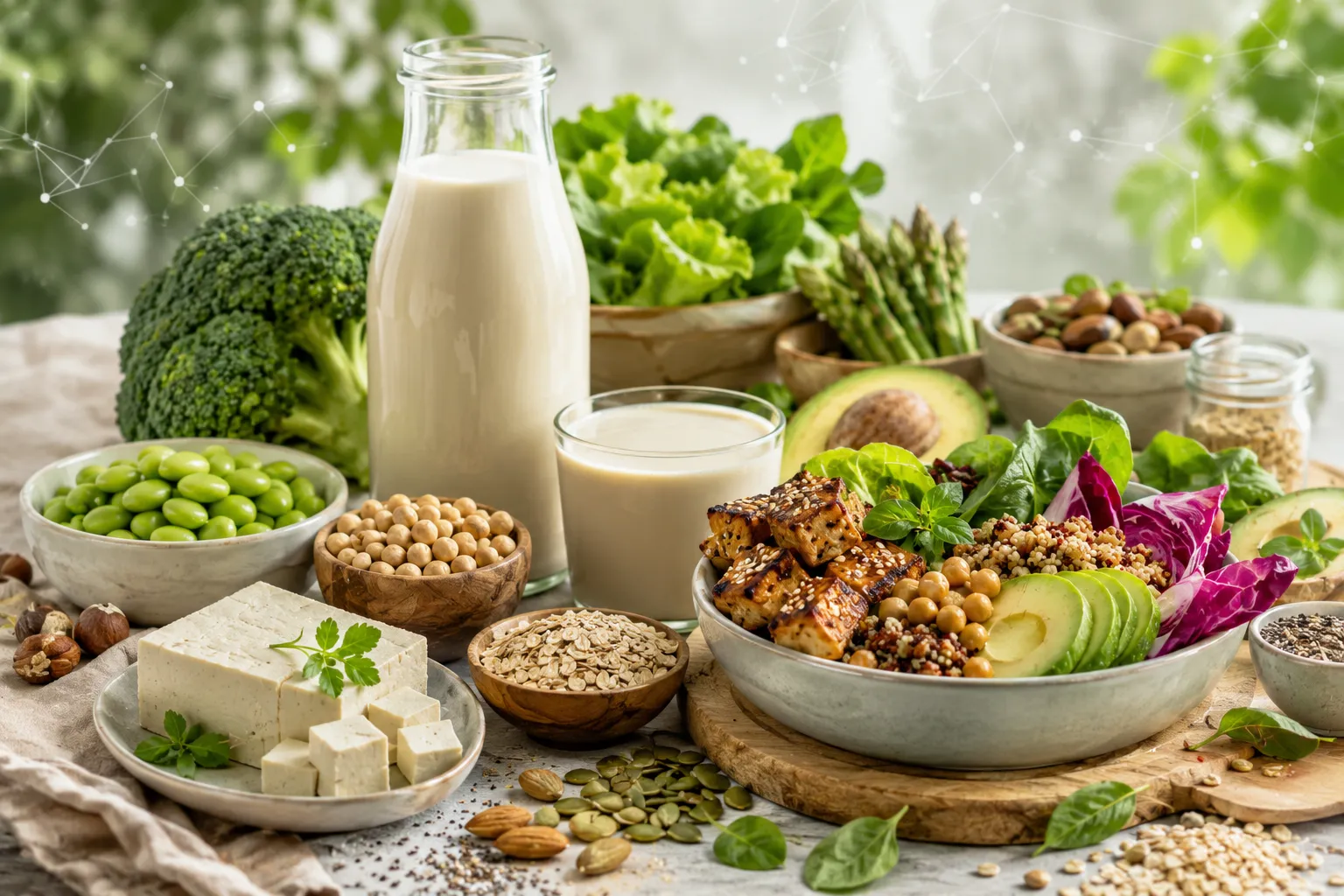
The global food industry is experiencing a major transformation.
Driven by sustainability goals, changing lifestyles, and evolving consumer preferences, plant-based foods are becoming an important part of the future food landscape.
From plant-based beverages to alternative proteins, manufacturers are developing products that aim to deliver:
•Better nutrition
•Sustainable production
•Improved consumer experiences
However, creating successful plant-based foods requires more than simply replacing traditional ingredients with plant sources.
The real challenge is:
How can we create products that are sustainable, nutritious, and enjoyable to consumers?
Plant-based ingredients are naturally complex.
They contain:
•Proteins
•Fibers
•Natural compounds
•Oils
•Functional components
During processing, these components interact and influence:
•Stability
•Texture
•Flavor
•Appearance
For manufacturers, maintaining product quality while achieving safety and scalability is becoming increasingly important.
Traditional food processing technologies have enabled large-scale production for decades.
However, new alternative food categories require more flexible approaches that can better manage complex ingredient interactions.
Researchers are exploring new processing strategies that focus on:
•Better energy control
•Improved ingredient understanding
•More precise processing conditions
The future of plant-based foods will not depend only on discovering new ingredients.
It will depend on developing smarter ways to transform those ingredients into high-quality products.
At Biomag, we explore how advanced processing technologies can support researchers and manufacturers developing the next generation of sustainable foods.
Biomag FluxFresh™ — exploring smarter pathways for future plant-based food innovation.